Digital marketing is more than just ads or social media. At its core, it’s about using online channels to connect the right audiences with your message — strategically, trackably, and purposefully. In 2025, you can no longer afford guesswork; you need clarity, consistency and control.
Defining Digital Marketing
Digital marketing is any activity done online to attract engage, and convert customers. From your search engine rankings to your email follow-ups.
Key pillars include:
- Owned channels (website, blog, email)
- Paid media (search ads, social ads)
- Earned media (organic social shares, SEO traction)
Why It Matters More Now
- Cost efficiency: Paid channels give transparency and control over spend.
- Trackability: You can measure exactly what’s working or not.
- Direct relationships: Email and retargeting build connection beyond social algorithms.
Brands that treat digital marketing as a strategy, not just a collection of tasks, are the ones scaling predictably.
Common Myths — Busted
| Myth | Reality |
|---|---|
| “Social media is enough.” | Without funnels and ads, you’re relying on luck. |
| “Ads are for big businesses.” | Even small businesses can launch £5‑a‑day campaigns. |
| “SEO is dead.” | Organic traffic still delivers long-term, high-intent leads. |
| “I just need one channel.” | Diversifying smartly drives resilience. |
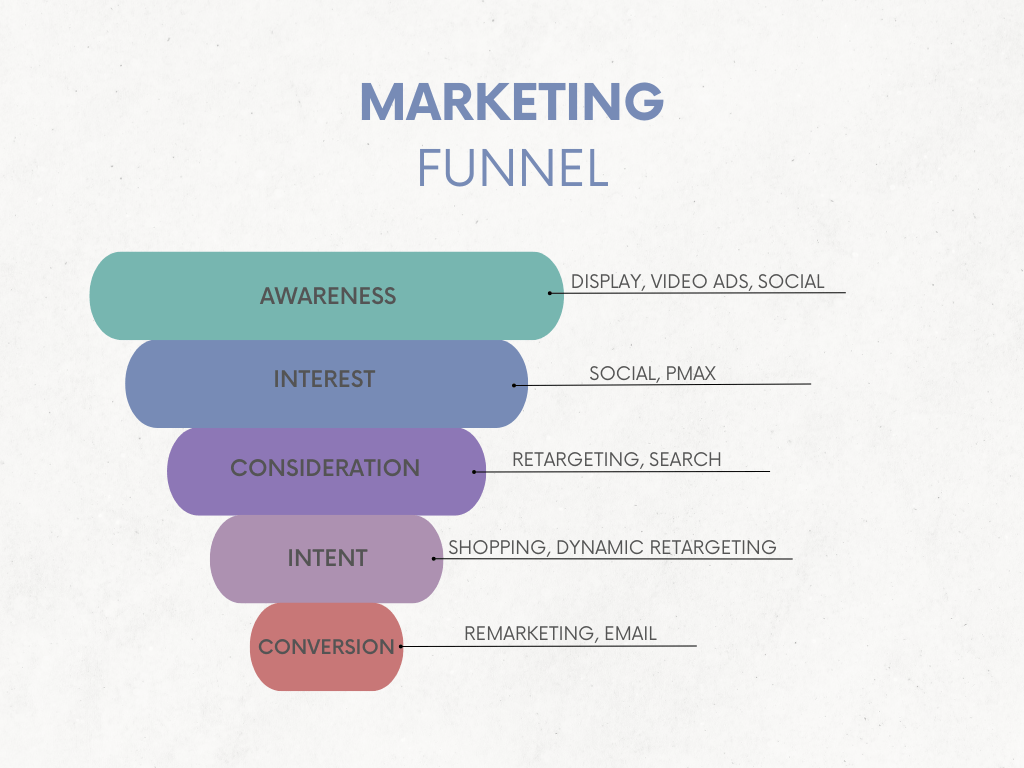
Why Your Funnel Needs Multiple Touchpoints
Rather than just one-off posts or ads:
- Use Search Ads and SEO for traffic intent
- Use Social Ads for awareness and retargeting
- Use Email to retain and sell repeatedly
A simple funnel:
Digital marketing isn’t magic but it is systematic. It’s about making informed decisions, testing, learning and growing on your terms. While not overcomplicating any of it.

 LiftEngine Freelance
Leave a comment